Can Alcohol-Induced Neuropathy Be Reversed? Understanding Recovery And Treatment
- contact@hasan-ghouri.info
- February 6, 2023
- Sober living
- 0 Comments
However, even mild drinking will continue to sustain or even worsen symptoms of nerve damage. Abstinence is really the only option if you want to have hope of reversing nerve damage and pain. During this time, it’s important to be honest about your alcohol addiction. Letting them know how much you’re drinking and how often can be an indicator that neuropathy is the right diagnosis.
How does alcohol withdrawal compare to other substance withdrawals?
The most essential step in treating alcoholic neuropathy is discontinuing alcohol completely. Continued drinking will only worsen nerve damage and may make other treatments ineffective. Sobriety not only stops further injury but also gives the body a chance to begin healing. Alcoholic neuropathy is a condition where excessive alcohol consumption damages the peripheral nerves, leading to pain, tingling, and muscle weakness. Chronic inflammation leads to cellular damage and the progression of serious alcohol-related conditions, such as fatty liver disease or gastritis.
Can Alcohol-Induced Neuropathy Be Reversed? Understanding Recovery And Treatment
Always check care labels to ensure the fabric can withstand these methods. Gum and mints, for instance, rely on strong flavors to mask the scent of alcohol. Chewing gum increases saliva production, which can help dilute alcohol remnants in the mouth. Mints, particularly those containing menthol or peppermint oil, provide a potent aroma that can overpower alcohol breath. However, both methods are surface-level fixes and do not address alcohol in the bloodstream or lungs.
Psychological Symptoms
- However, medical intervention is essential for managing pain, preventing further complications, and giving the damaged nerves the best possible chance to heal.
- The recovery time for alcoholic neuropathy varies significantly among individuals and is influenced by the severity of the neuropathy and the individual’s history of alcohol consumption.
- That’s why it is essential to focus on the multiple pathways that have led to the development of the condition.
- Alcohol-related neuropathy is characterized by damage to the peripheral nerves, which transmit signals between the body, spinal cord, and brain.
- Chronic inflammation can silently damage tissues over time and requires medical intervention for effective control.
These vitamins are essential for nerve function and repair, and many individuals with alcohol use disorder are deficient in them. A registered dietitian or physician may recommend high-dose supplements and a nutrient-rich diet to jumpstart nerve healing. Chronic drinking depletes essential nutrients like thiamine (vitamin B1), vitamin B12, folate, and niacin, all of which are critical for nerve health and function. Alcohol also impairs the body’s ability to absorb these nutrients from food, even when a person is eating well. Without these nutrients, the protective sheaths around nerves break down, making them more vulnerable to damage.
Support groups such as Alcoholics Anonymous offer community and shared experiences that can be invaluable in maintaining sobriety. Alcoholic neuropathy manifests through a range of symptoms affecting sensory, motor, and autonomic functions. Sensory symptoms often appear first, including numbness, tingling, burning pain, or a heightened sensitivity to https://ecosoberhouse.com/ touch, often starting in the feet and hands. These sensations can progress upwards, affecting the legs and arms in a “stocking-to-glove” distribution.
We offer comprehensive and personalized treatment plans to each of our clients. Your treatment team understands that cookie-cutter approaches Sober living house to care are ineffective because you are a unique individual with your own specific needs. Even if your diagnosis is similar to someone else’s, you need a custom plan. A residential treatment program like the one offered by Icarus Behavioral Health in Nevada offers you a safe space to process the toxic effects of alcohol use. Closely related to your abstinence, most treatment teams will recommend or require that you attend some sort of rehabilitation program. You will have serious and lasting consequences if you let neuropathy progress, and the safest way to start living without alcohol is rehab.
- While evidence is limited, some patients report improved pain management and overall well-being.
- This distinction is key to understanding the vastly different healing timelines across individuals.
- Several factors affect withdrawal duration, including the length of alcohol use, the amount consumed, and any co-occurring mental health conditions.
The condition progresses very slowly for months to years and almost always will affect the lower limbs. Studies show that alcoholic neuropathy could be the result of the direct toxic effect of alcohol or its metabolites and nutritional deficiencies (for example, thiamine deficiency). Here is how alcoholic neuropathy can affect your life, including viable treatment options. Signs of alcohol dependence include increased tolerance, withdrawal symptoms when not drinking, and neglecting responsibilities due to drinking.
Brain and Nervous System Recovery
Alcoholic neuropathy is a condition caused by long-term alcohol use that damages the peripheral nerves. These nerves send signals between the brain, spinal cord, and the rest of the body. When alcohol how long does alcoholic neuropathy take to go awa is consumed heavily over time, it can interfere with the body’s ability to absorb essential nutrients like vitamin B1 (thiamine), leading to nerve damage. This article explores the process and what you can do to improve your chances of healing. The recovery time for alcoholic neuropathy varies significantly among individuals and is influenced by the severity of the neuropathy and the individual’s history of alcohol consumption. Nutrition plays a pivotal role in preventing alcohol-induced neuropathy.
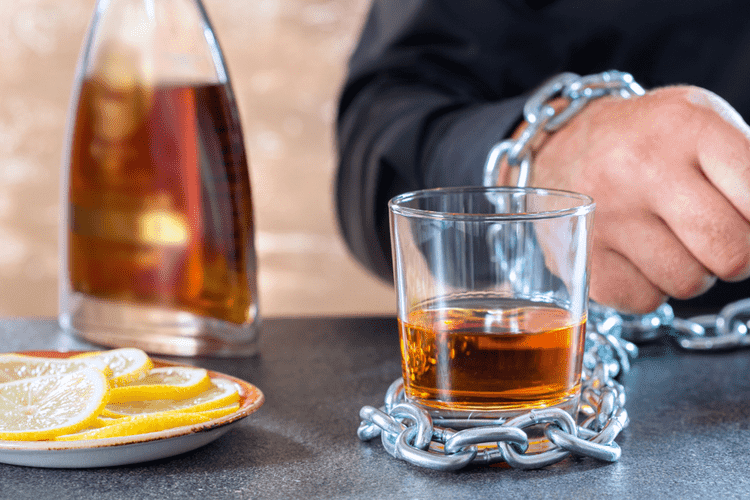
The nerve regeneration process is slow, requiring patience and consistent adherence to treatment plans. Ongoing therapy and counseling can address the psychological aspects of addiction and help develop strategies for coping with the challenges of neuropathy. Stopping alcohol use is the foundation of recovery from alcoholic neuropathy. However, medical intervention is essential for managing pain, preventing further complications, and giving the damaged nerves the best possible chance to heal. While nerve damage may not be completely reversible in every case, many people see improvement when they address alcohol use and support nerve healing. To optimize prognosis, individuals should avoid alcohol entirely, as even moderate consumption can exacerbate nerve damage.

The nerve damage can also affect autonomic functions, leading to problems with blood pressure regulation, bowel and bladder control, and sexual function. Genetic factors may also play a role, making some individuals more prone to alcohol-related nerve damage than others. Additionally, overall physical health, liver function, and concurrent use of other substances can influence the onset and severity of neuropathic symptoms. Alcoholic neuropathy is a debilitating condition resulting from prolonged excessive alcohol consumption, leading to nerve damage throughout the body.
Blood tests may check for vitamin B12 or thiamine deficiencies, which are common in heavy drinkers and can exacerbate nerve damage. Liver function tests are also essential, as chronic alcohol use often leads to hepatic impairment, further complicating the clinical picture. In some cases, imaging studies like MRI or CT scans may be used to exclude structural abnormalities, such as herniated discs, that could mimic neuropathy symptoms. Understanding these factors can help individuals make informed decisions about drinking and its aftereffects. For instance, the rate at which alcohol is metabolized depends on liver function, which varies significantly among individuals. A person with a healthy liver can process about one standard drink (14 grams of pure alcohol) per hour, but factors like age, weight, and genetics can alter this rate.
Always remember that moderation and awareness are key to both health and social considerations. While some nerve damage may persist, symptom management can significantly improve quality of life. Medications such as gabapentin, pregabalin, or tricyclic antidepressants are often prescribed to alleviate neuropathic pain. Topical treatments like lidocaine patches or capsaicin cream offer localized relief without systemic side effects. Alternative therapies, including acupuncture or transcutaneous electrical nerve stimulation (TENS), have shown promise in reducing pain and improving function. Patients should work closely with healthcare providers to tailor a treatment plan that addresses their specific symptoms and needs.